

Why Do Pimples Keep Coming Back Even After Treatment?
Home | Blogs | Why Do Pimples Keep Coming Back Even After Treatment?

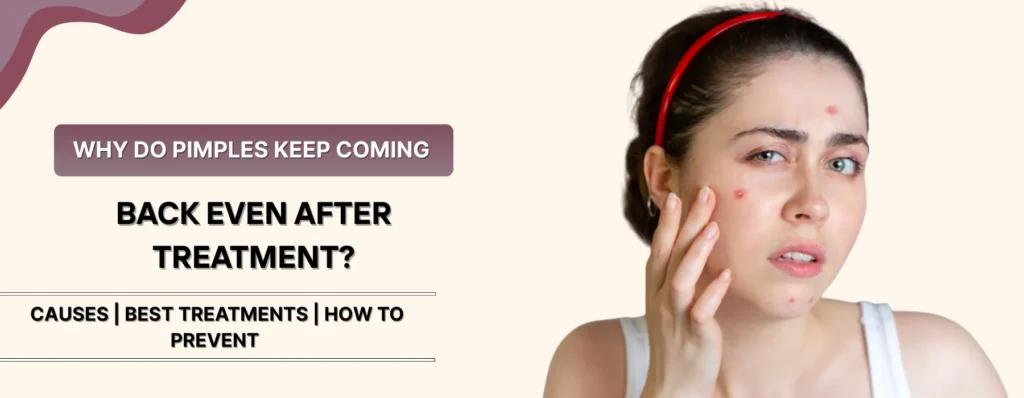
Many people feel frustrated when pimples return even after completing creams, medications, or clinic-based treatments. The disappointment is understandable—especially when you’ve invested time, money, and emotional energy into improving your skin. Recurrent acne is one of the most common concerns dermatologists see, and the truth is that pimples coming back does not always mean the treatment failed. In most cases, it means the root cause of acne was never fully addressed.
Understanding why pimples recur is the first step toward achieving long-term control rather than short-lived improvement.
Key Topics Discussed in This Article
Pimples Are a Chronic Skin Condition, Not a One-Time Problem
Acne is not like a fever that disappears after a single course of medicine. It is a chronic inflammatory skin condition influenced by hormones, oil production, genetics, lifestyle, and skin care habits. Most treatments control active breakouts, but if the underlying triggers remain active, pimples tend to reappear weeks or months later.
This is why dermatologists often focus on management and maintenance, not just temporary clearance.
Hormonal Imbalance Is the Most Common Reason for Recurring Pimples
One of the biggest reasons pimples keep coming back is hormonal influence. Hormones stimulate oil glands, especially in areas like the jawline, chin, cheeks, and neck. Even after treatment, hormonal fluctuations due to stress, PCOS, irregular sleep, weight changes, or menstrual cycles can restart acne.
Hormonal acne usually:
- Appears repeatedly in the same areas
- Worsens before periods
- Persists into adulthood
Unless hormonal triggers are identified and managed properly, topical treatments alone often give only short-term relief.
Treatment Is Stopped Too Early
Many people stop acne treatment as soon as their skin looks clear. This is a common but critical mistake. Acne-causing bacteria and clogged pores may still be active beneath the surface even after visible pimples disappear.
Dermatologists usually recommend a maintenance phase after active treatment to prevent recurrence. Without this phase, pimples can return stronger and more frequently.
Wrong Treatment for the Acne Type
Not all pimples are the same. Blackheads, whiteheads, cystic acne, hormonal acne, fungal acne, and inflammatory acne all require different approaches. Using a generic cream or following online advice without proper diagnosis often leads to partial improvement followed by relapse.
If the treatment does not match the type and grade of acne, pimples may reduce temporarily but will return because the core issue was never treated correctly.
Inconsistent Skincare Routine
Skipping prescribed creams, overusing spot treatments, or frequently changing products confuses the skin barrier. Inconsistent routines weaken the skin’s defense, increase oil imbalance, and make pores prone to clogging again.
Acne-prone skin needs discipline and consistency, not aggressive or random product use.
Overuse of Home Remedies and OTC Products
Many over-the-counter products promise quick acne relief, but frequent use without medical guidance can damage the skin barrier. Harsh scrubs, alcohol-based toners, lemon, toothpaste, or DIY masks may dry pimples temporarily but increase inflammation in the long run.
Damaged skin barriers lead to increased sensitivity, more oil production, and recurring breakouts.
Stress, Sleep, and Lifestyle Factors
Skin reflects internal health. High stress levels increase cortisol, which triggers oil production and inflammation. Poor sleep disrupts hormonal balance, while diets high in sugar and processed foods can worsen acne in susceptible individuals.
Even the best treatment may fail if lifestyle triggers are ignored.
Acne Scars and Marks Can Be Confused With Active Pimples
Sometimes patients believe pimples are returning when they are actually seeing post-acne marks or under-the-skin congestion that was never cleared properly. Without professional evaluation, these are often mistaken for new acne, leading to unnecessary treatment changes.
Why Choose Eva Pimples Skin & Hair Clinic in Treating Recurrent Pimples
At Eva Pimples Skin & Hair Clinic, recurrent acne is treated as a medical condition, not a cosmetic issue. The clinic focuses on identifying why pimples keep coming back rather than just suppressing them temporarily.
Each patient undergoes a detailed skin evaluation to assess acne type, severity, hormonal patterns, lifestyle triggers, and previous treatment response. Based on this, a customized treatment plan is designed, which may include medical therapy, advanced dermatological procedures, and a structured maintenance program.
The clinic emphasizes long-term acne control through:
- Correct diagnosis of acne type
- Medically supervised treatments
- Skin barrier repair and maintenance care
- Patient education to prevent future flare-ups
This comprehensive approach helps reduce recurrence and improves overall skin health, not just visible pimples.