


When Should You Avoid Hair Transplant Surgery?
Home | Blogs | When Should You Avoid Hair Transplant Surgery?

Hair loss is no longer just a cosmetic concern—it affects confidence, professional presence, and emotional well-being. With growing awareness and advanced techniques, Hair Transplant Surgery has become a popular solution for both men and women. However, despite being safe and effective, it is not suitable for everyone at every stage.
For a skin specialist in Pune or patients actively exploring treatment options, it’s equally important to understand when you should avoid Hair Transplant Surgery, how it works, its benefits, cost efficiency, and how it compares with long-term organic strategies for hair restoration and lead generation in clinical practice.
This blog offers a clear, medically accurate, and SEO-focused guide to help patients and professionals make informed decisions.
Key Topics Discussed in This Article
- Understanding How Hair Transplant Surgery Works
- When Should You Avoid Hair Transplant Surgery?
- Hair Transplant Surgery for Men vs Women
- Benefits of Hair Transplant Surgery (When Done Right)
- How to Know If You Are Ready for the Best Hair Transplant Surgery
- Role of Eva Pimples Skin & Hair Clinic in Hair Transplant for Receding Hairline vs Crown – What Works Best?
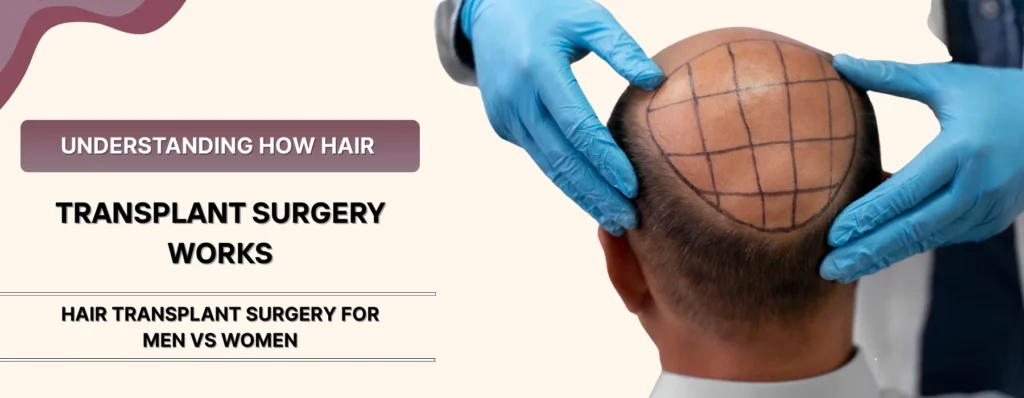
Understanding How Hair Transplant Surgery Works
Hair Transplant Surgery involves extracting healthy hair follicles—usually from the back or sides of the scalp—and implanting them into areas experiencing hair thinning or baldness. These transplanted follicles are genetically resistant to hair fall, making the results long-lasting.
Common Techniques Used
FUE (Follicular Unit Extraction)
FUT (Follicular Unit Transplantation)
Both methods are widely practiced at reputed centers like Eva Pimple Skin & Hair Clinic, a trusted Leading Skin Clinic in Pune, known for ethical consultations and customized treatment plans.
When Should You Avoid Hair Transplant Surgery?
While the procedure delivers excellent results in ideal candidates, there are specific situations where Hair Transplant Surgery should be postponed or avoided.
1. Early-Stage Hair Loss
If hair fall is recent or actively progressing, surgery may lead to uneven results. In such cases:
Medical management works better
PRP or topical treatments may stabilize hair loss
Surgery without stabilization often results in poor density over time.
2. Insufficient Donor Hair
Hair transplant success depends on donor area strength. Avoid Hair Transplant Surgery if:
Donor hair is thin or sparse
Excessive hair loss exists across the scalp
A qualified skin specialist in Pune will always assess donor viability before recommending surgery.
3. Underlying Medical Conditions
You should avoid Hair Transplant Surgery if you have:
Uncontrolled diabetes
Autoimmune scalp conditions
Active infections or scarring alopecia
These conditions affect healing and graft survival, increasing the risk of complications.
4. Unrealistic Expectations
Patients expecting:
Immediate results
Extreme density in one session
Lifetime coverage despite ongoing hair loss
One should avoid Hair Transplant Surgery until expectations are clarified through proper counseling.
5. Hormonal Imbalance in Women
For hair transplant surgery for women, untreated conditions like:
PCOS
Thyroid disorders
Post-pregnancy hair fall
must be addressed first. Surgery without correcting the root cause may not deliver sustainable results.
Hair Transplant Surgery for Men vs Women
Hair Transplant Surgery for Men
Best suited for stable male pattern baldness
Predictable donor area
Long-term success when done at the right age
Hair Transplant Surgery for Women
Requires detailed diagnosis
Best for localized thinning or traction alopecia
Needs hormonal and nutritional evaluation
Avoid surgery until medical causes are managed—especially in women.
Benefits of Hair Transplant Surgery (When Done Right)
When performed on the right candidate, Hair Transplant Surgery offers:
Permanent and natural-looking hair growth
Low maintenance compared to temporary solutions
Boost in confidence and personal branding
One-time investment with long-term results
Clinics like Eva Pimple Skin & Hair Clinic focus on ethical case selection to maximize these benefits.
How to Know If You Are Ready for the Best Hair Transplant Surgery
You may be a good candidate if:
Hair loss is stable for 12+ months
Donor area is strong
Medical conditions are controlled
Expectations are realistic
If not, postponing Hair Transplant Surgery is the smarter choice.
Cost Efficiency: When Surgery Makes Financial Sense
Although Hair Transplant Surgery may seem expensive initially, it is often more cost-efficient in the long run compared to:
Lifelong medications
Monthly PRP sessions
Cosmetic camouflage products
However, surgery should be avoided if:
Hair loss is still evolving
Multiple future sessions are inevitable
Medical treatment alone can deliver results
A balanced approach ensures financial and clinical success.
Role of Eva Pimples Skin & Hair Clinic Hair Transplant Surgery
Hair Transplant Surgery is a powerful, confidence-restoring procedure—but timing and patient selection matter more than the procedure itself. Avoid surgery if hair loss is unstable, donor hair is weak, or underlying medical issues exist. A balanced plan that combines medical treatment, organic strategies, and surgery at the right time delivers the best Hair Transplant Surgery results.
For patients and skin specialists in Pune, choosing ethical, experienced clinics like Eva Pimple Skin & Hair Clinic ensures safety, transparency, and long-term satisfaction.