

Transplanted Hair Fall Again: Common Causes Explained
Home | Blogs | Transplanted Hair Fall Again: Common Causes Explained

Hair transplant is a popular and effective solution for people facing hair loss. Many patients choose this treatment to restore their hair and confidence. However, some people worry when they notice transplanted hair fall again after the procedure.
Seeing hair fall after a transplant can be confusing and stressful. But in many cases, it is part of the natural hair growth cycle. Understanding why this happens can help patients stay calm and follow the right care routine.
In this blog, we will explain the possible reasons why transplanted hair fall again, what is normal, and how proper Hair Transplant Long-Term Care can help maintain healthy results.
Key Topics Discussed in This Article
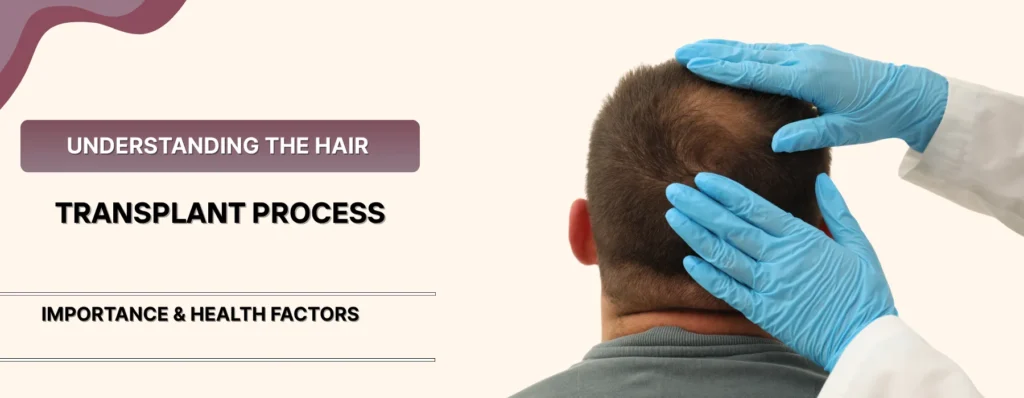
Understanding the Hair Transplant Process
Before discussing why transplanted hair fall again, it is important to understand how a hair transplant works.
During the procedure, hair follicles are taken from a donor area (usually the back of the scalp) and implanted into areas experiencing hair loss. These follicles are genetically resistant to hair loss and can grow naturally after transplantation.
After the procedure, the scalp goes through a healing and adjustment phase. This phase can include temporary shedding of transplanted hair. Many patients think the treatment has failed when they see transplanted hair falling out, but this is usually a normal part of the recovery process.
Proper recovery and following Hair Transplant Maintenance Tips play a key role in ensuring healthy hair growth in the long run.
The Initial Shedding Phase: Why Transplanted Hair Fall Again
One of the most common reasons transplanted hair fall again is the shedding phase, also called shock loss.
This usually occurs within 2 to 8 weeks after the procedure. During this stage, the transplanted hair shafts fall out while the hair follicles remain safely inside the scalp.
Although it may look alarming, this stage is temporary. The follicles stay healthy and begin producing new hair within a few months.
Patients should remember that transplanted hair falling out in the early phase does not mean the transplant has failed. It is simply the scalp adjusting to the new follicles.
Following proper Hair Transplant Long-Term Care helps the follicles recover and produce stronger hair growth later.
Natural Hair Growth Cycle and Transplanted Hair Fall Again
Hair grows in cycles, and transplanted hair follows the same pattern as natural hair.
The three main stages of hair growth include:
Anagen Phase (Growth Phase)
This is the active growth stage where hair grows continuously for several years.
Catagen Phase (Transition Phase)
Hair growth slows down, and the follicle begins preparing for the resting stage.
Telogen Phase (Resting Phase)
Hair stops growing and eventually sheds before new hair grows again.
Because transplanted hair follows this natural cycle, it is normal for transplanted hair fall again at certain times. Temporary shedding can occur before stronger hair regrows.
Patients who understand this process are less likely to panic when they notice transplanted hair falling out months after the procedure.
Poor Post-Procedure Care
Another reason transplanted hair fall again is improper care after the transplant procedure.
The first few weeks after surgery are critical for follicle survival. If patients do not follow the doctor’s instructions carefully, the grafts may weaken.
Some common mistakes include:
Touching or scratching the scalp
Washing hair incorrectly
Excessive sweating in the early days
Not taking prescribed medications
Following proper Hair Transplant Maintenance Tips can prevent unnecessary hair loss and protect the newly implanted follicles.
Maintaining good Hair Transplant Long-Term Care habits also ensures stronger hair growth and long-lasting results.
Weak Surrounding Hair (Shock Loss)
Sometimes transplanted hair fall again because of shock loss in the surrounding natural hair.
During a hair transplant, nearby hair follicles may temporarily weaken due to surgical stress. This can cause both transplanted and existing hair to shed.
This type of transplanted hair falling out is usually temporary. Once the scalp recovers, the follicles regain strength and new hair growth begins.
Patients should focus on proper Hair Transplant Long-Term Care and avoid harsh hair treatments during recovery.
Underlying Hair Loss Conditions
In some cases, transplanted hair fall again due to untreated hair loss conditions such as genetic pattern baldness.
Hair transplant surgery moves healthy follicles, but it does not stop the progression of hair loss in untreated areas. If surrounding hair continues to thin, it may appear that the transplant is failing.
Doctors often recommend medications or therapies to control ongoing hair loss. These treatments help maintain both natural and transplanted hair.
Combining medical treatment with proper Hair Transplant Maintenance Tips can significantly improve long-term results.
Poor Lifestyle and Health Factors
Lifestyle habits can also influence whether transplanted hair fall again after surgery.
Hair follicles require proper nutrition, blood circulation, and overall health to grow well. Unhealthy habits may weaken follicles and cause transplanted hair falling out over time.
Some common risk factors include:
Smoking
Poor diet
High stress
Lack of sleep
Vitamin deficiencies
Following healthy habits is an essential part of Hair Transplant Long-Term Care. A balanced diet, regular exercise, and stress management can support healthy hair growth.
Infection or Scalp Problems
Although rare, infections or scalp conditions can cause transplanted hair fall again.
Symptoms may include:
Redness
Swelling
Pain
Pus formation
If a patient experiences these symptoms, they should consult a hair specialist immediately. Early treatment can prevent damage to the transplanted follicles.
Professional guidance and proper hygiene are important Hair Transplant Maintenance Tips that help protect the scalp and ensure long-term success.
Importance of Hair Transplant Long-Term Care
Hair transplant results are not just about the surgery. Long-term maintenance is equally important.
Patients who follow proper Hair Transplant Long-Term Care routines usually experience stronger and healthier hair growth.
Important care practices include:
Regular follow-ups with your doctor
Using mild hair care products
Protecting the scalp from excessive sun exposure
Maintaining a healthy diet
Managing stress levels
These simple Hair Transplant Maintenance Tips help reduce the chances that transplanted hair fall again and support natural hair growth.
When Should You Be Concerned if Transplanted Hair Fall Again?
Some hair shedding is normal after a transplant. However, patients should consult a specialist if they notice:
Continuous transplanted hair falling out after 8–12 months
Severe scalp irritation or infection
No new hair growth after one year
A professional evaluation can help determine whether the issue is temporary or requires treatment.
Role of Eva Pimples Skin & Hair Clinic Transplanted Hair Fall Again: Common Causes Explained
At Eva Pimple Skin & Hair Clinic, experienced specialists provide advanced hair restoration treatments along with personalized care plans.
The clinic focuses on safe procedures, detailed patient guidance, and effective Hair Transplant Long-Term Care strategies.
Patients are also educated about essential Hair Transplant Maintenance Tips to maintain healthy, natural-looking hair after treatment.
With proper care and professional support, most patients achieve long-lasting results and improved confidence.