

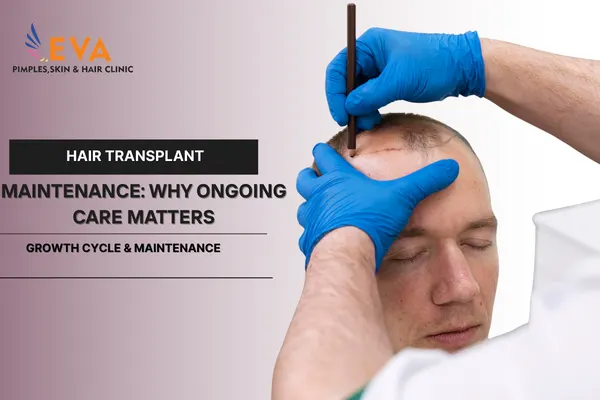

Hair Transplant Maintenance: Why Ongoing Care Matters
Home | Blogs | Hair Transplant Maintenance: Why Ongoing Care Matters

Hair transplant surgery has become one of the most effective solutions for hair loss. Many people believe that once the procedure is done, the work is finished. However, that is not completely true. Hair Transplant Maintenance plays a crucial role in protecting the results and ensuring healthy hair growth for years.
A successful transplant does not end in the operation room. Proper care, patience, and consistent maintenance are essential to achieve natural, long-lasting results. Understanding the healing process and following the right routine can make a big difference in your final outcome.
Key Topics Discussed in This Article
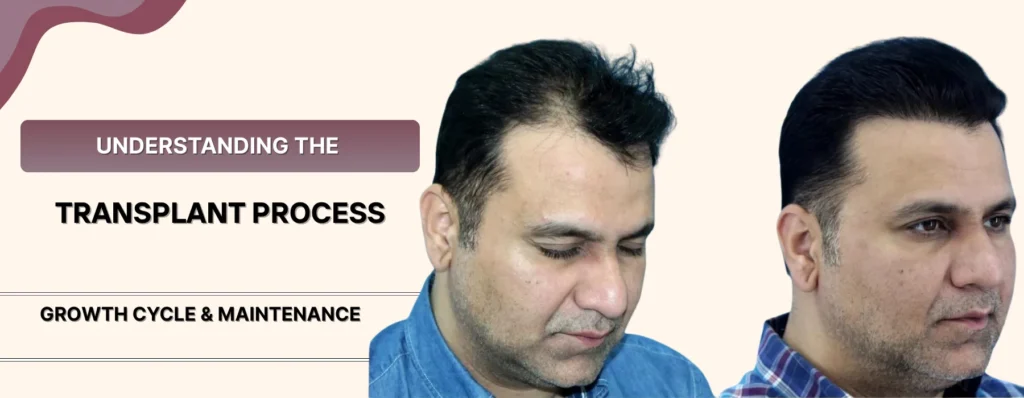
Understanding the Transplant Process
During a hair transplant procedure, healthy hair follicles are taken from a donor area—usually the back or sides of the scalp—and implanted into areas with thinning or no hair. These transplanted follicles are genetically resistant to hair loss, which allows them to grow naturally in their new location.
However, the scalp needs time to heal and adapt. This is why Hair Transplant Aftercare is extremely important during the first few weeks after surgery. Proper care ensures the grafts remain secure and begin their natural growth cycle.
Patients who follow recommended Hair Transplant Maintenance Tips often experience better density, healthier hair growth, and fewer complications.
The Initial Shedding Phase
One of the most common concerns after a transplant is sudden hair shedding. This stage is completely normal and is known as “shock loss.”
Within two to four weeks after the procedure, the transplanted hairs may fall out. While this can feel alarming, it is actually part of the natural healing process.
The hair follicles remain safely implanted under the scalp. They enter a resting phase before beginning new growth.
During this stage, proper Post Hair Transplant Maintenance helps support scalp healing and prepares the follicles for the next phase of growth.
Patients should avoid scratching, excessive touching, or using harsh hair products. Gentle care and patience are key.
The Growth Cycle of Transplanted Hair
Hair grows in cycles, and transplanted hair follows the same biological pattern.
The typical timeline looks like this:
First 1–3 months: Shedding phase occurs. The follicles rest before producing new hair.
3–6 months: New hair begins to grow slowly. The strands may appear thin or soft at first.
6–12 months: Hair becomes thicker and stronger as growth continues.
12–18 months: Full results are usually visible.
This is why Hair Transplant Long-Term Care is important. Healthy habits and regular follow-ups support natural hair growth and maintain density over time.
Patients who understand this process tend to have more realistic expectations and better satisfaction with their results.
Maintenance for Longevity
While transplanted hair is permanent, surrounding natural hair may continue to thin due to genetics or aging. This is why ongoing Hair Transplant Maintenance helps maintain overall hair density.
Some patients may benefit from medications, PRP therapy, or hair strengthening treatments recommended by their doctor.
A good Post Hair Transplant Maintenance routine ensures the scalp remains healthy and the transplanted follicles continue to thrive.
Follow Post-Operative Instructions
Your surgeon’s instructions should always be your top priority after the procedure. These guidelines are designed to protect the grafts and support healing.
Patients are usually advised to avoid heavy physical activity, excessive sweating, and direct contact with the scalp during the early recovery period.
Proper Hair Transplant Aftercare also includes washing the scalp carefully using gentle shampoos recommended by your doctor.
Following these instructions carefully helps reduce infection risk and ensures successful graft survival.
Practice Good Hair Care
Healthy hair begins with proper care. Gentle hair care practices protect both transplanted and existing hair.
Use mild shampoos and avoid harsh chemical treatments during the recovery phase. Heat styling tools, strong hair dyes, and tight hairstyles should be avoided initially.
Regular scalp hygiene supports effective Hair Transplant Maintenance and keeps follicles healthy.
Patients should also follow dermatologist-approved Hair Transplant Maintenance Tips to ensure long-term success.
Protect from Sun Exposure
Sun exposure can irritate the scalp, especially during the early healing period. Newly transplanted follicles are sensitive and require protection.
Doctors usually recommend avoiding direct sunlight for at least a few weeks after surgery. Wearing a loose cap or staying in shaded areas can help.
Proper Hair Transplant Aftercare includes protecting the scalp from environmental stressors such as UV rays, dust, and pollution.
Address Underlying Issues
Hair loss can sometimes be linked to medical conditions, hormonal changes, stress, or nutritional deficiencies.
If these issues are not addressed, they may affect existing hair around the transplanted area.
Part of effective Hair Transplant Long-Term Care is identifying and managing underlying causes of hair loss.
Dermatologists may recommend blood tests, supplements, or medications to support overall scalp health.
Maintain a Healthy Lifestyle
A healthy body supports healthy hair growth.
Nutrition plays a key role in strengthening hair follicles. Foods rich in protein, iron, zinc, and vitamins promote stronger hair growth.
Regular exercise improves blood circulation to the scalp, which supports follicle health.
Good sleep and stress management are also important factors in successful Hair Transplant Maintenance.
Patients who maintain a balanced lifestyle often experience better and more consistent results.
Regular Check-ups
Routine follow-up visits help monitor progress and detect potential issues early.
During these appointments, your doctor can evaluate hair growth, scalp health, and overall results.
Regular consultations are an essential part of Hair Transplant Long-Term Care because they allow adjustments to treatment plans if necessary.
Doctors may also suggest additional Hair Transplant Maintenance Tips such as PRP therapy, medications, or strengthening treatments.
Red Flags Requiring Immediate Attention
While most hair transplant recoveries are smooth, certain symptoms should never be ignored.
Contact your doctor immediately if you notice:
• Severe or increasing pain
• Excessive swelling or redness
• Pus or unusual discharge
• Persistent bleeding
• High fever
• Sudden graft loss
Early medical attention ensures proper Post Hair Transplant Maintenance and prevents complications.
Prompt treatment can protect your transplanted follicles and preserve your final results.
Role of Eva Pimples Skin & Hair Clinic Hair Transplant Maintenance: Why Ongoing Care Matters
A hair transplant can significantly improve confidence and appearance, but maintaining the results requires consistent care. Hair Transplant Maintenance is not complicated, but it does require patience and discipline.
By following proper Hair Transplant Aftercare, maintaining a healthy lifestyle, and attending regular check-ups, patients can enjoy natural-looking hair for many years.
Long-term success depends on protecting both transplanted and existing hair. With the right Hair Transplant Maintenance Tips and professional guidance, your investment in hair restoration can deliver lasting, satisfying results.
For expert guidance, treatment, and personalized care, consult the specialists at Eva Pimple Skin & Hair Clinic, where patient safety and long-term results are the top priorities.