


Causes of Acne: Can Vitamin Deficiencies Be the Reason?
Home | Blogs | Causes of Acne: Can Vitamin Deficiencies Be the Reason?

Acne is one of the most common skin concerns affecting people of all ages. While hormones, diet, and lifestyle are often blamed, many people overlook an important factor—nutrient deficiencies. Understanding the Causes of Acne can help you treat it effectively and prevent future breakouts. At Eva Pimple Skin & Hair Clinic, experts often observe that internal imbalances, including vitamin deficiencies, play a crucial role in skin health.
In this blog, we’ll explore how deficiencies in essential vitamins and nutrients can contribute to acne and what you can do about it.
Key Topics Discussed in This Article
Causes of Acne
When discussing the Causes of Acne, it’s important to recognize that it is not triggered by a single factor. Instead, acne develops due to a combination of internal and external influences such as excess oil production, clogged pores, bacteria, and inflammation.
Some of the most common causes include:
Hormonal imbalances
Poor diet and lifestyle
Stress
Genetics
Improper skincare
Nutrient deficiencies
Among these, vitamin deficiencies are often underestimated but can significantly impact skin clarity.
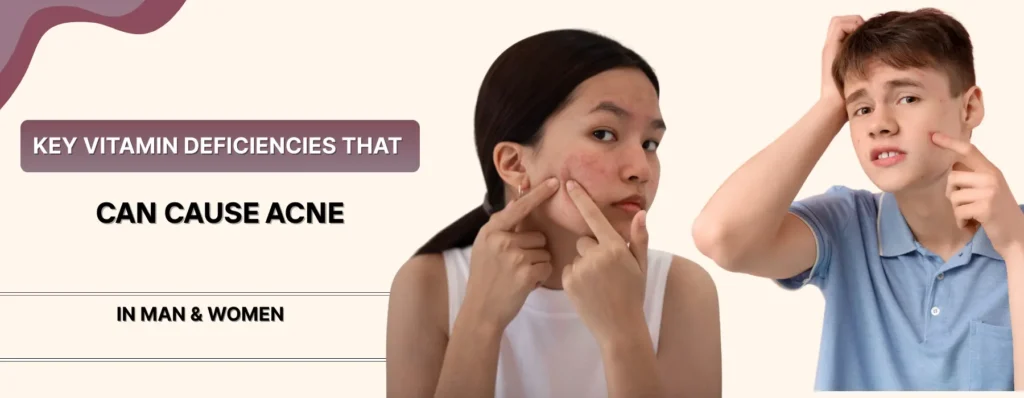
Key Vitamin Deficiencies That Can Cause Acne
Your skin requires essential vitamins to repair, regenerate, and fight inflammation. When your body lacks these nutrients, it can lead to breakouts.
1. Vitamin A Deficiency
Vitamin A plays a key role in skin cell turnover. A deficiency can result in clogged pores, which is one of the primary Causes of Acne. Without proper exfoliation at the cellular level, dead skin builds up and leads to breakouts.
2. Vitamin D Deficiency
Vitamin D has anti-inflammatory properties. Low levels may worsen acne by increasing inflammation and slowing down the healing process.
3. Vitamin E Deficiency
Vitamin E helps protect the skin from oxidative stress. A lack of it can make your skin more prone to damage and acne formation.
4. Zinc Deficiency
Zinc is essential for controlling oil production and reducing bacteria. Its deficiency is often linked to persistent acne, especially in adults.
5. Vitamin B Complex Imbalance
While B vitamins are crucial, an imbalance—especially excess B12—can sometimes trigger acne in certain individuals.
Causes of Acne on Face
The causes of acne on face can vary depending on lifestyle, skincare habits, and internal health. Pollution, excess oil, and clogged pores are common external triggers, but internal deficiencies can worsen the condition.
People who lack essential nutrients often experience:
Increased oil production
Slow skin healing
Frequent breakouts
This is why addressing the root Causes of Acne is more effective than just treating the symptoms.
Causes of Acne on Face in Women
The causes of acne on face in women are often linked to hormonal changes such as menstruation, pregnancy, or PCOS. However, nutritional deficiencies can further aggravate the issue.
For example:
Low iron levels can dull the skin and trigger breakouts
Vitamin D deficiency may increase inflammation
Poor diet can worsen hormonal acne
At Eva Pimple Skin & Hair Clinic, a personalized approach is recommended to identify both hormonal and nutritional factors.
Causes of Acne on Face in Men
Some patients may feel concerned if their hair growth appears slow at this stage. However, variations in growth speed are completely normal.
Common hair growth issues 4 months after hair transplant include:
Uneven Hair Growth
Some follicles grow faster than others. This creates patches of thicker and thinner hair, which usually even out over time.
Thin Hair Texture
Newly grown hair may appear very fine. As the follicles mature, the strands become thicker and stronger.
Delayed Growth
Certain follicles remain dormant slightly longer than others. They often start producing hair between the fifth and seventh months.
Even if the progress seems slow, it does not mean the procedure has failed. Skilled surgeons working to deliver the best hair transplant results ensure long-term follicle survival.
Causes of Acne on Chin
The causes of acne on chin are commonly related to hormonal fluctuations. Chin acne is often seen in adults and is linked to internal imbalances.
However, vitamin deficiencies can also contribute by:
Weakening skin immunity
Increasing inflammation
Slowing down healing
If chin acne persists, it’s essential to evaluate both hormonal health and nutrient intake.
Causes of Acne on Forehead
The causes of acne on forehead are often associated with digestive issues, stress, and poor hair care habits. Forehead acne can also indicate internal imbalances.
Some contributing factors include:
Poor gut health
Excess oil from hair products
Lack of essential vitamins
When the body lacks proper nutrition, it reflects on the skin, making the Causes of Acne more complex.
Signs Your Acne May Be Linked to Deficiency
Not all acne is caused by vitamin deficiencies, but certain signs may indicate a deeper issue:
Persistent acne despite treatments
Dry, dull, or flaky skin
Slow healing of pimples
Frequent breakouts in the same area
If you notice these symptoms, it may be time to look beyond surface-level treatments.
How to Treat Acne Caused by Vitamin Deficiency
Treating acne effectively requires addressing the root cause. If deficiencies are involved, the following steps can help:
1. Improve Your Diet
Include foods rich in:
Vitamin A (carrots, spinach)
Vitamin D (sunlight, fortified foods)
Zinc (nuts, seeds)
Vitamin E (almonds, sunflower seeds)
2. Stay Hydrated
Water helps flush toxins and keeps your skin healthy.
3. Take Supplements (If Needed)
Consult a dermatologist before starting any supplements to avoid imbalances.
4. Follow a Proper Skincare Routine
Use non-comedogenic products and avoid harsh chemicals.
5. Seek Professional Help
For persistent acne, consulting experts for the Best Acne Treatment in Pune can provide targeted solutions based on your skin type and underlying causes.
Why Professional Treatment Matters
While home remedies can help to some extent, they may not address the deeper Causes of Acne. Clinics like Eva Pimple Skin & Hair Clinic offer advanced treatments tailored to individual needs.
Professional treatments can:
Identify root causes
Provide customized skincare plans
Offer advanced therapies for long-term results
If you’re struggling with stubborn acne, opting for the Best Acne Treatment in Pune ensures you receive expert care and effective solutions.
Role of Eva Pimples Skin & Hair Clinic Causes of Acne
Acne is a complex condition with multiple triggers, and understanding the Causes of Acne is essential for effective treatment. While hormones, lifestyle, and skincare play a role, vitamin deficiencies can also be a significant contributing factor.
By focusing on proper nutrition, maintaining a healthy lifestyle, and seeking expert advice, you can manage acne more effectively. Instead of just treating the surface, addressing the root cause will help you achieve long-lasting, clear skin.
For expert care and customized solutions, Eva Pimple Skin & Hair Clinic provides some of the Best Acne Treatment in Pune, helping you restore your skin’s health and confidence.