



Can Transplanted Hair Grow Slower Than Natural Hair?
Home | Blogs | Can Transplanted Hair Grow Slower Than Natural Hair?

Hair transplant is one of the most trusted solutions for permanent hair restoration. Yet, many patients have a common concern — Can Transplanted Hair Grow Slower Than Natural Hair? This question usually comes up during the early recovery phase when hair growth seems uneven or delayed.
The good news is that transplanted hair is real hair, taken from your own scalp. However, its growth cycle can feel different initially. In this blog, experts from Eva Pimple Skin & Hair Clinic explain why this happens, what is normal, and how to ensure healthy, long-lasting results.
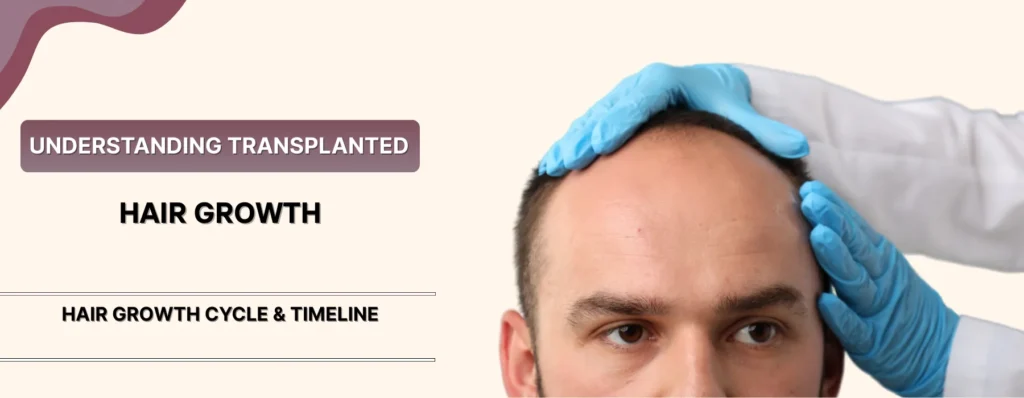
Key Topics Discussed in This Article
- Understanding Transplanted Hair Growth
- Can Transplanted Hair Grow Slower Than Natural Hair in the Beginning?
- Hair Growth Cycle: Natural vs Transplanted Hair
- Factors That Influence Transplanted Hair Growth
- Timeline: When Does Transplanted Hair Start Growing Normally?
- Role of Eva Pimples Skin & Hair Clinic Can Transplanted Hair Grow Slower Than Natural Hair?
Understanding Transplanted Hair Growth
Before answering Can Transplanted Hair Grow Slower Than Natural Hair?, it’s important to understand how transplanted hair behaves.
During a hair transplant, healthy follicles are taken from the donor area (usually the back of the scalp) and implanted into thinning or bald areas. These follicles retain their original genetic strength, which is why results are permanent.
However, transplanted follicles undergo temporary stress due to surgery. This can slightly affect their initial growth pattern.
Can Transplanted Hair Grow Slower Than Natural Hair in the Beginning?
Yes, Can Transplanted Hair Grow Slower Than Natural Hair? In the first few months, it may appear so — and this is completely normal.
Key reasons include:
Shock loss after the procedure
Follicles entering a resting (telogen) phase
Time required for follicles to adjust to the new area
Most patients notice that transplanted hair starts growing visibly after 3–4 months and gradually matches natural hair growth by 9–12 months.
Hair Growth Cycle: Natural vs Transplanted Hair
Understanding the hair growth cycle helps clear doubts around Can Transplanted Hair Grow Slower Than Natural Hair?
Hair grows in three phases:
Anagen (growth phase) – lasts several years
Catagen (transition phase) – short resting stage
Telogen (shedding phase) – hair falls and regrows
After transplant surgery, follicles temporarily re-enter the telogen phase. This reset makes growth seem slow, but once the anagen phase begins, transplanted hair grows normally.
Factors That Influence Transplanted Hair Growth
Several factors decide how fast transplanted hair grows:
1. Surgical Technique
Advanced techniques like FUE provide better follicle survival. Choosing the best hair transplant clinic in Pune plays a major role.
2. Surgeon’s Expertise
Correct angle, depth, and placement ensure natural growth direction and speed.
3. Post-Procedure Care
Following aftercare instructions boosts healing and growth.
4. Individual Healing Capacity
Age, health, and scalp condition affect how quickly follicles recover.
At Eva Pimple Skin & Hair Clinic, every treatment is personalised to maximise success for Transplanted Hair in Pune patients.
Timeline: When Does Transplanted Hair Start Growing Normally?
If you’re wondering Can Transplanted Hair Grow Slower Than Natural Hair?, the timeline below offers clarity:
0–1 month: Scabbing and healing
1–3 months: Temporary shedding (shock loss)
3–4 months: Early growth begins
6 months: Visible improvement
9–12 months: Natural thickness and normal growth speed
By the end of one year, transplanted hair usually grows at the same pace as natural hair.
Does Transplanted Hair Ever Stay Slower Permanently?
A common myth around Can Transplanted Hair Grow Slower Than Natural Hair? is that transplanted hair remains weak forever. This is false.
Once follicles settle and blood supply stabilises:
Growth speed becomes normal
Texture blends with existing hair
Styling becomes easy
Since Transplanted Hair comes from resistant donor zones, it often performs better than thinning natural hair.
How to Improve Transplanted Hair Growth Speed
Follow these expert tips to support faster and healthier growth:
Avoid smoking and alcohol post-surgery
Eat protein-rich foods and iron-rich diets
Use doctor-recommended shampoos and serums
Avoid stress and harsh styling
Attend follow-up visits regularly
Choosing the best hair transplant clinic in Pune ensures you get guided care at every stage.
Role of Eva Pimples Skin & Hair Clinic Can Transplanted Hair Grow Slower Than Natural Hair?
So, Can Transplanted Hair Grow Slower Than Natural Hair? The answer is yes — but only in the early months. This phase is temporary and part of the natural healing process. Once follicles adapt, transplanted hair grows just like natural hair, often stronger and more resilient.
If you’re considering hair restoration and want expert guidance from the best hair transplant clinic in Pune, consult Eva Pimple Skin & Hair Clinic today. A professional evaluation can help you achieve natural-looking, long-lasting results with confidence.