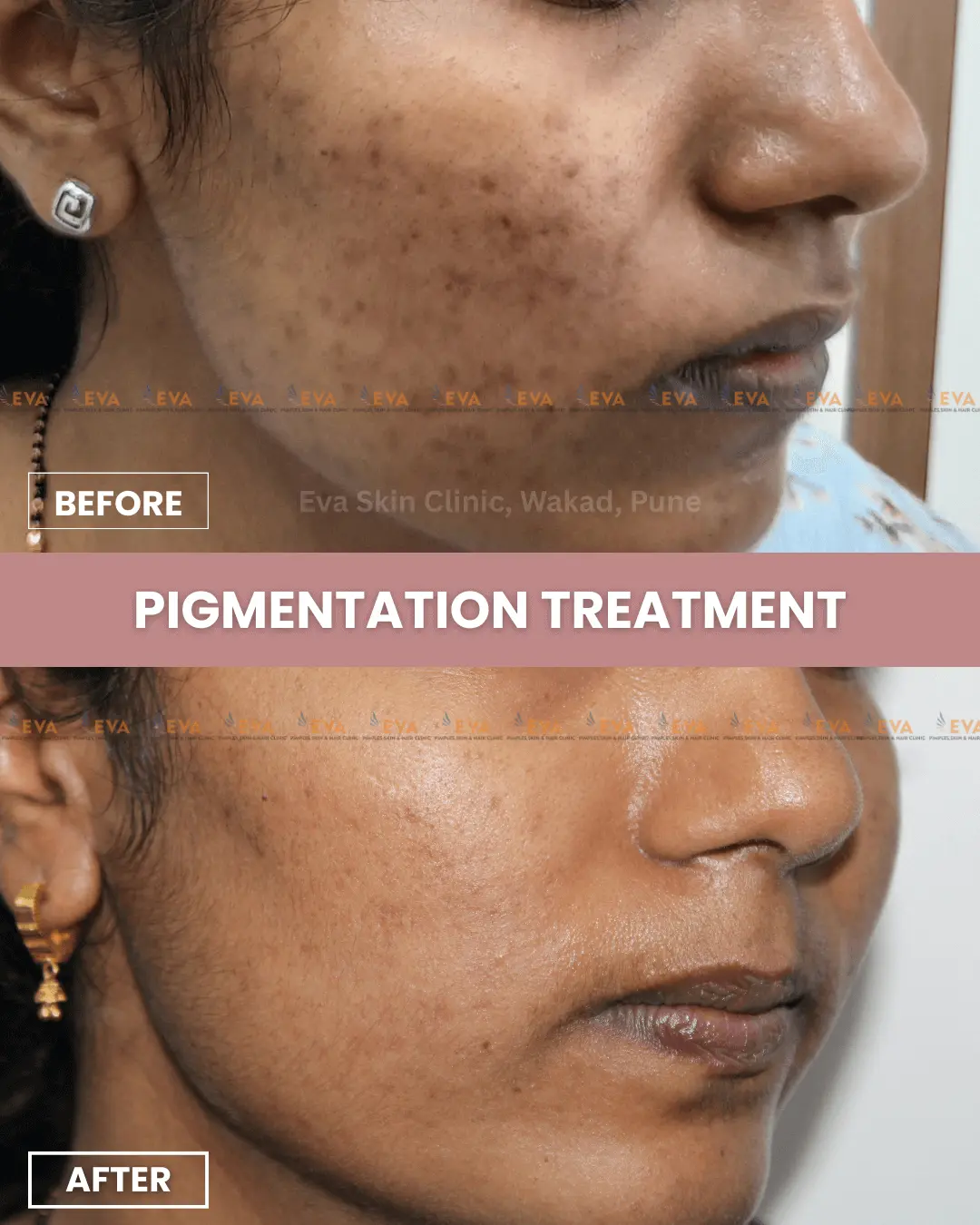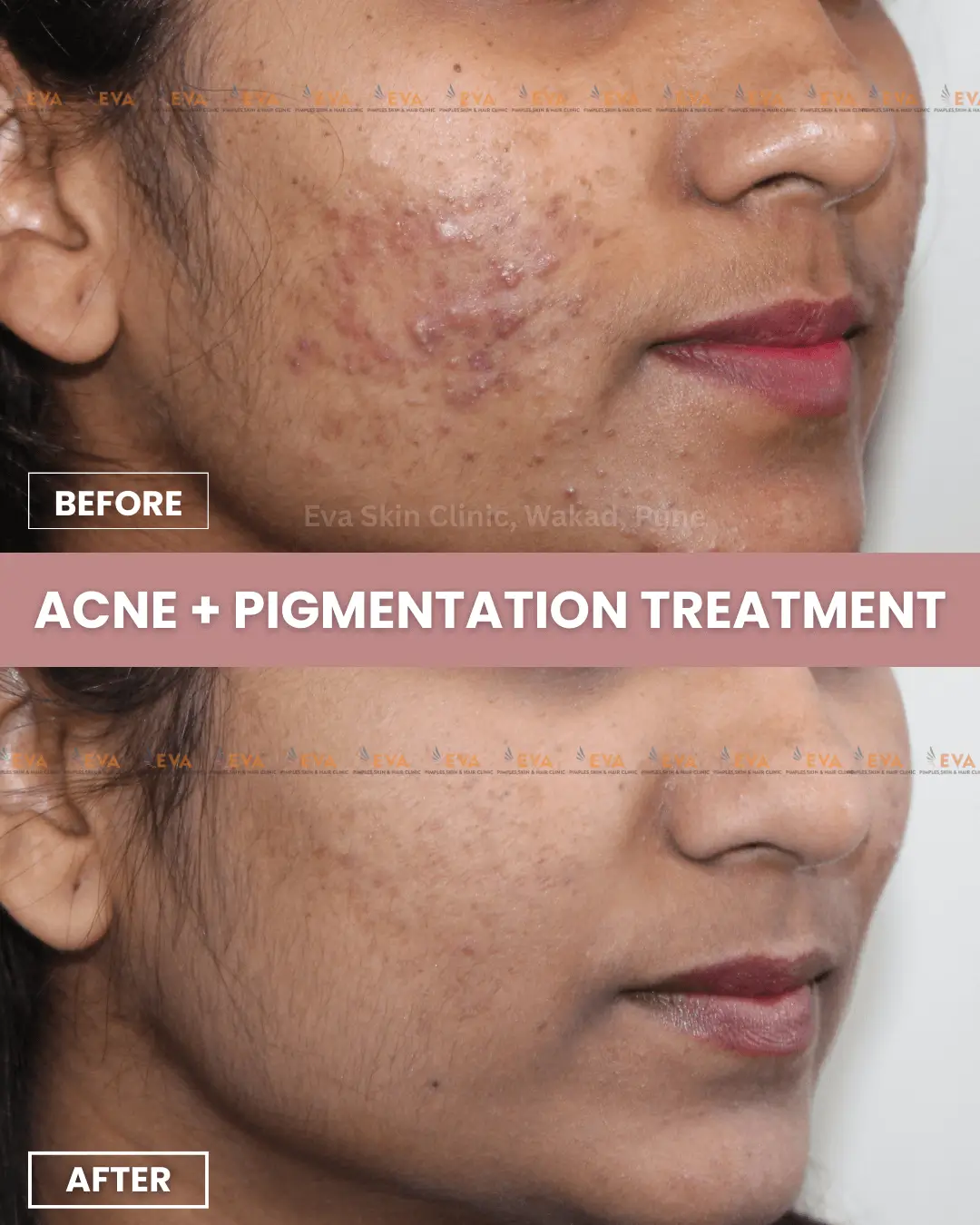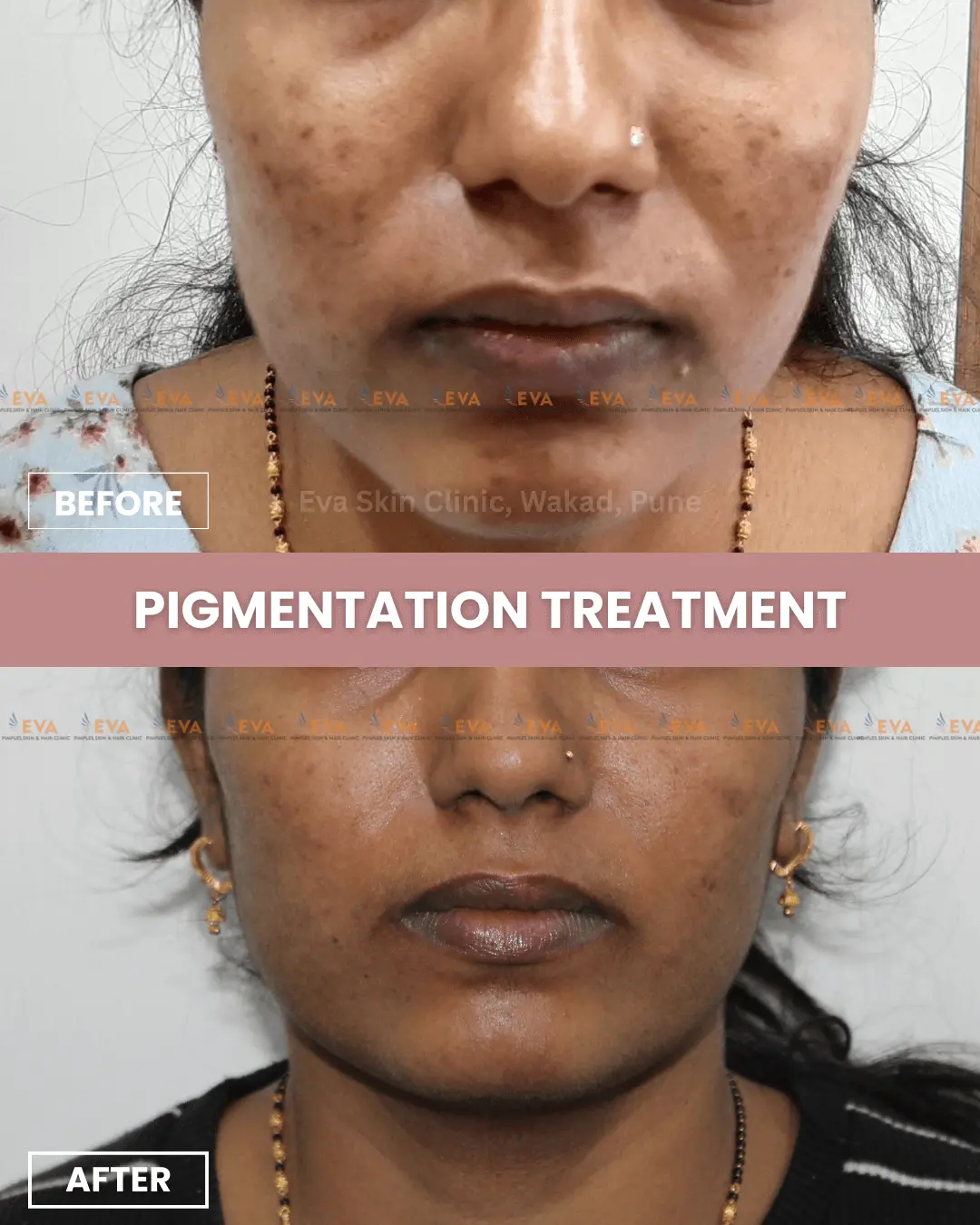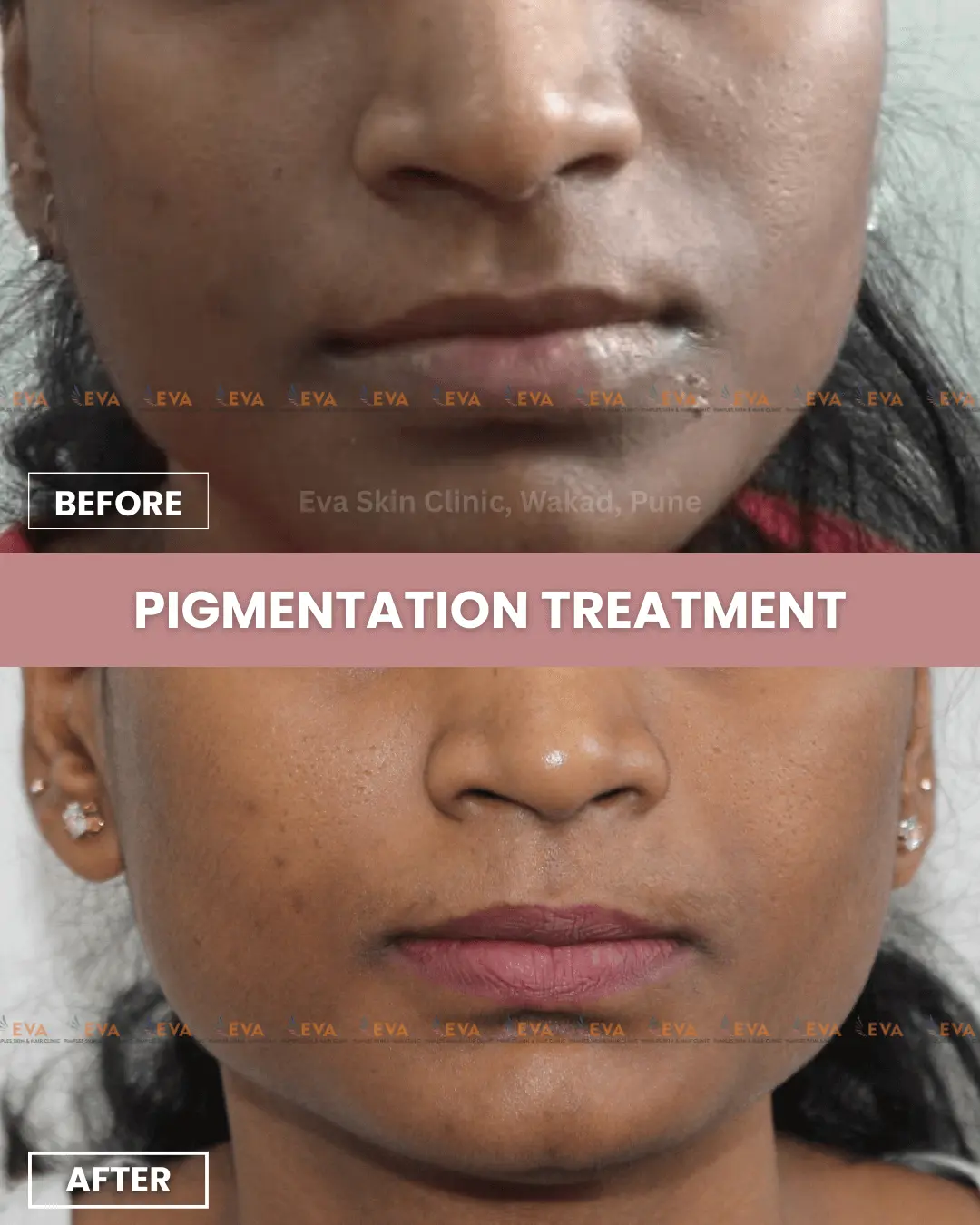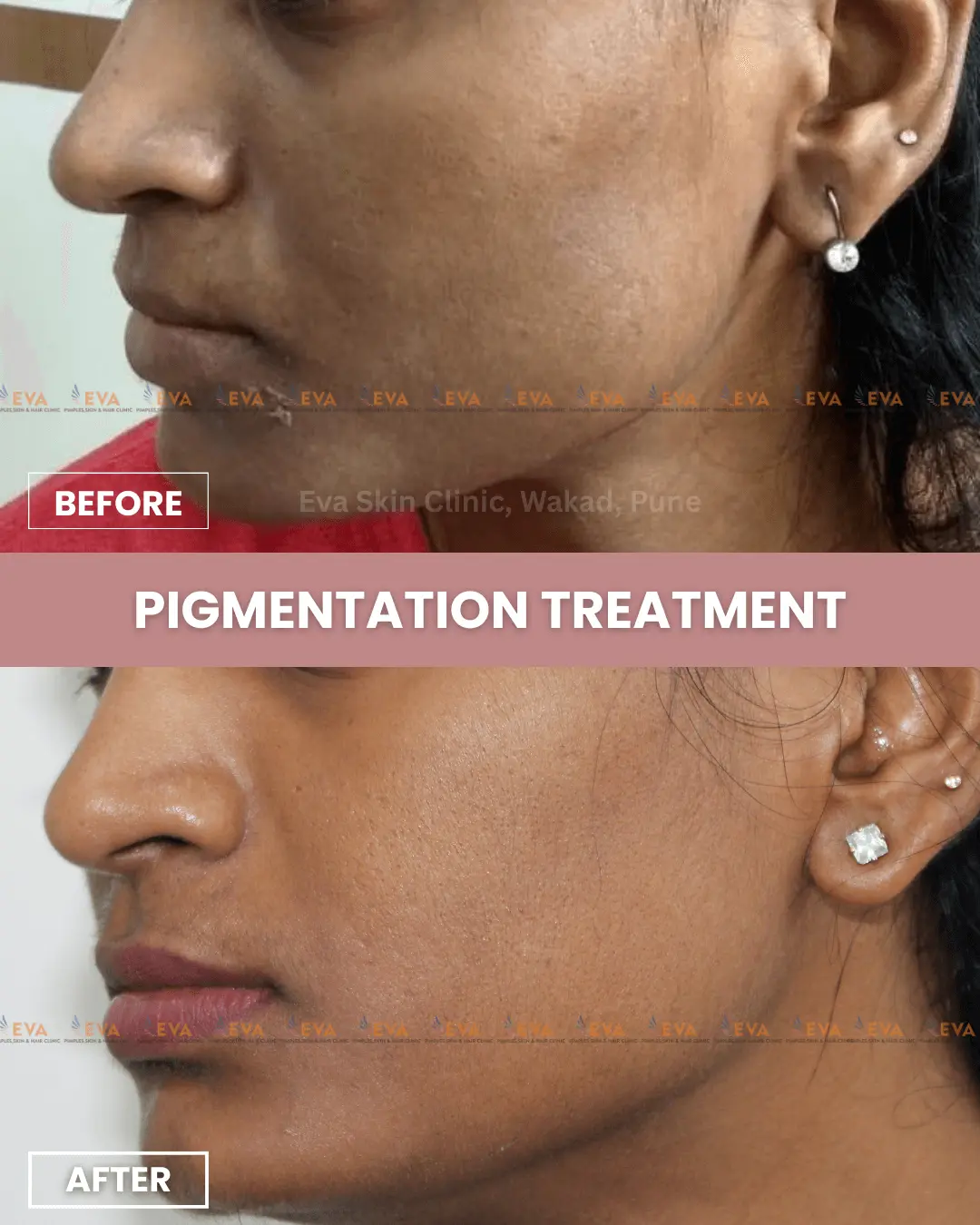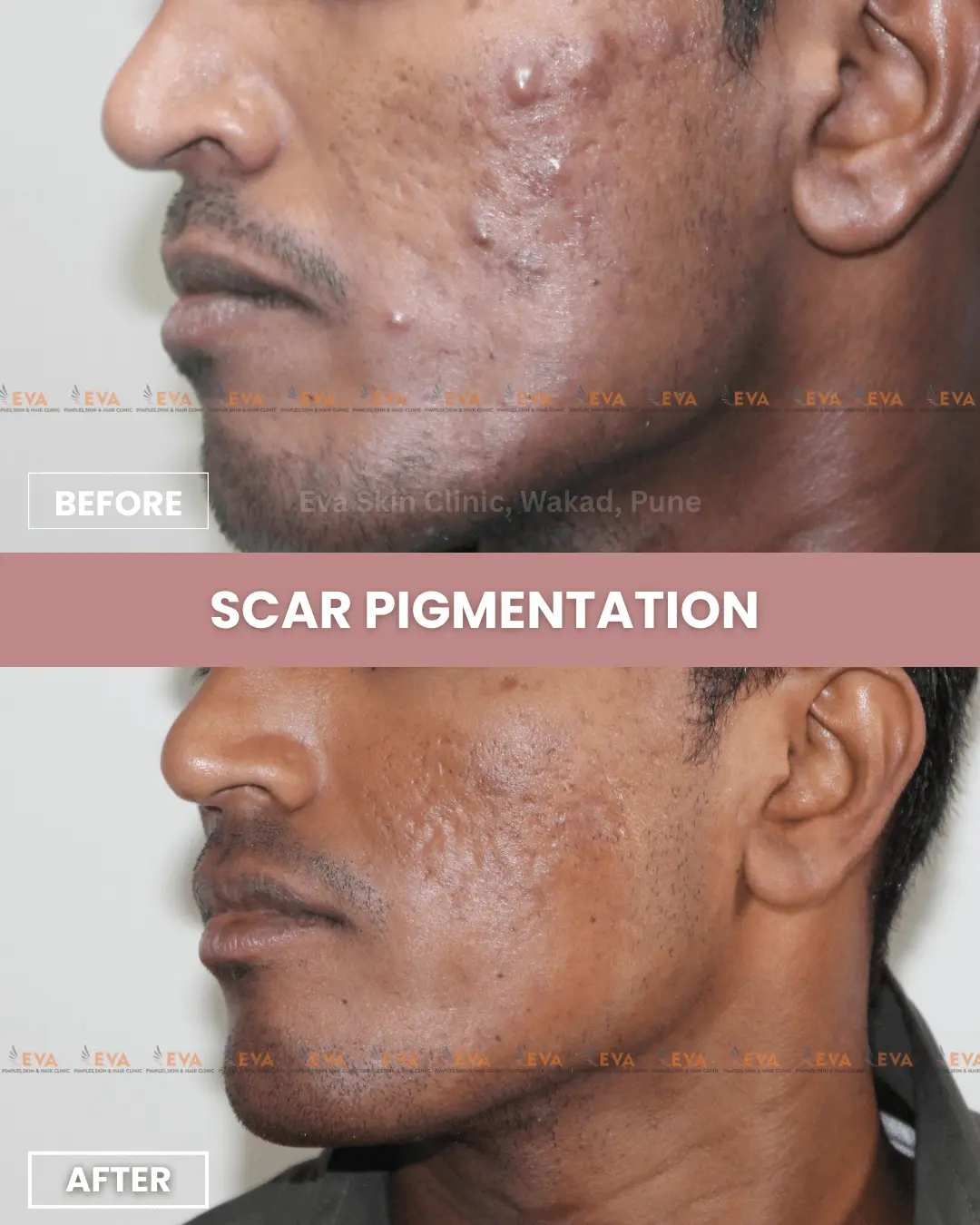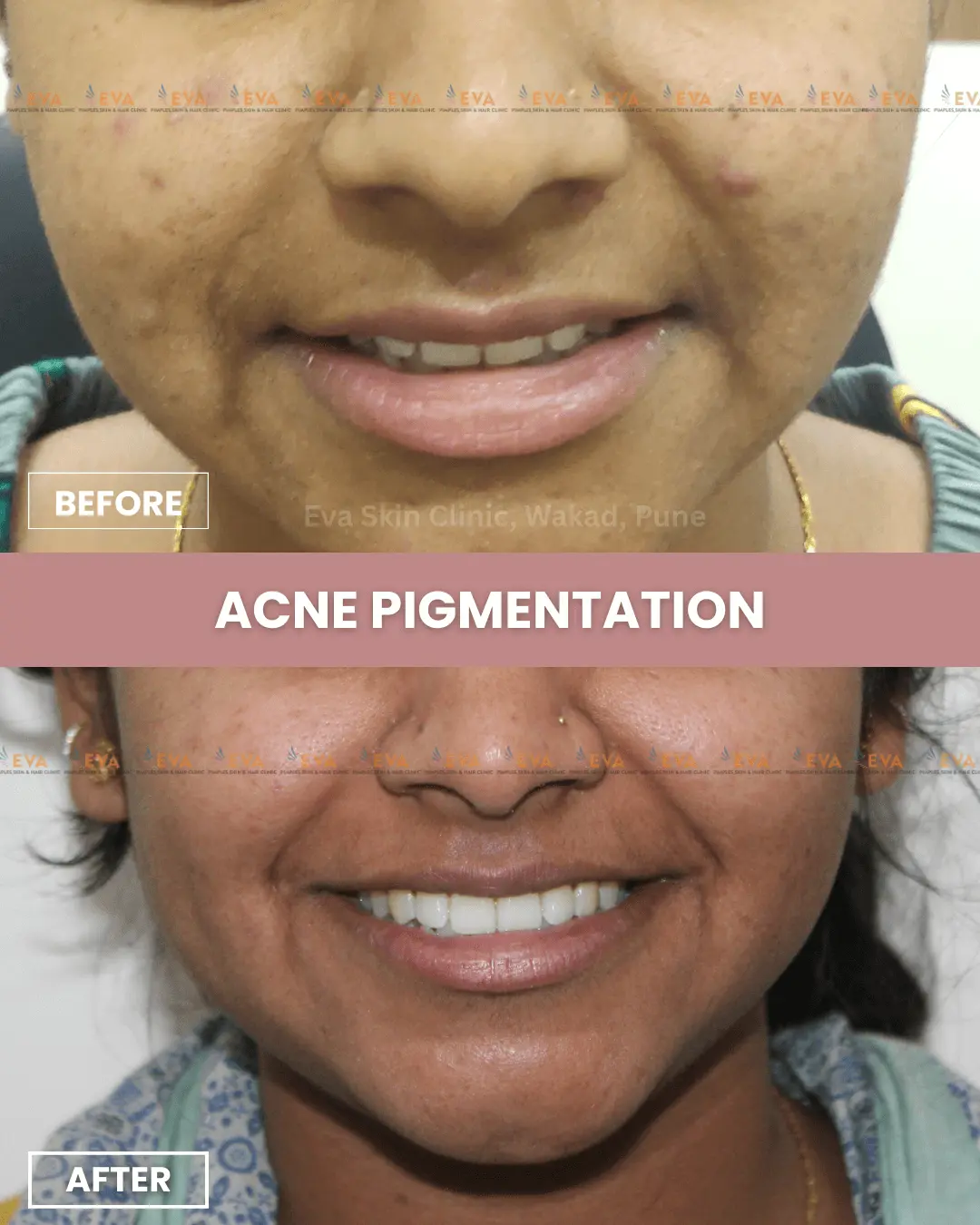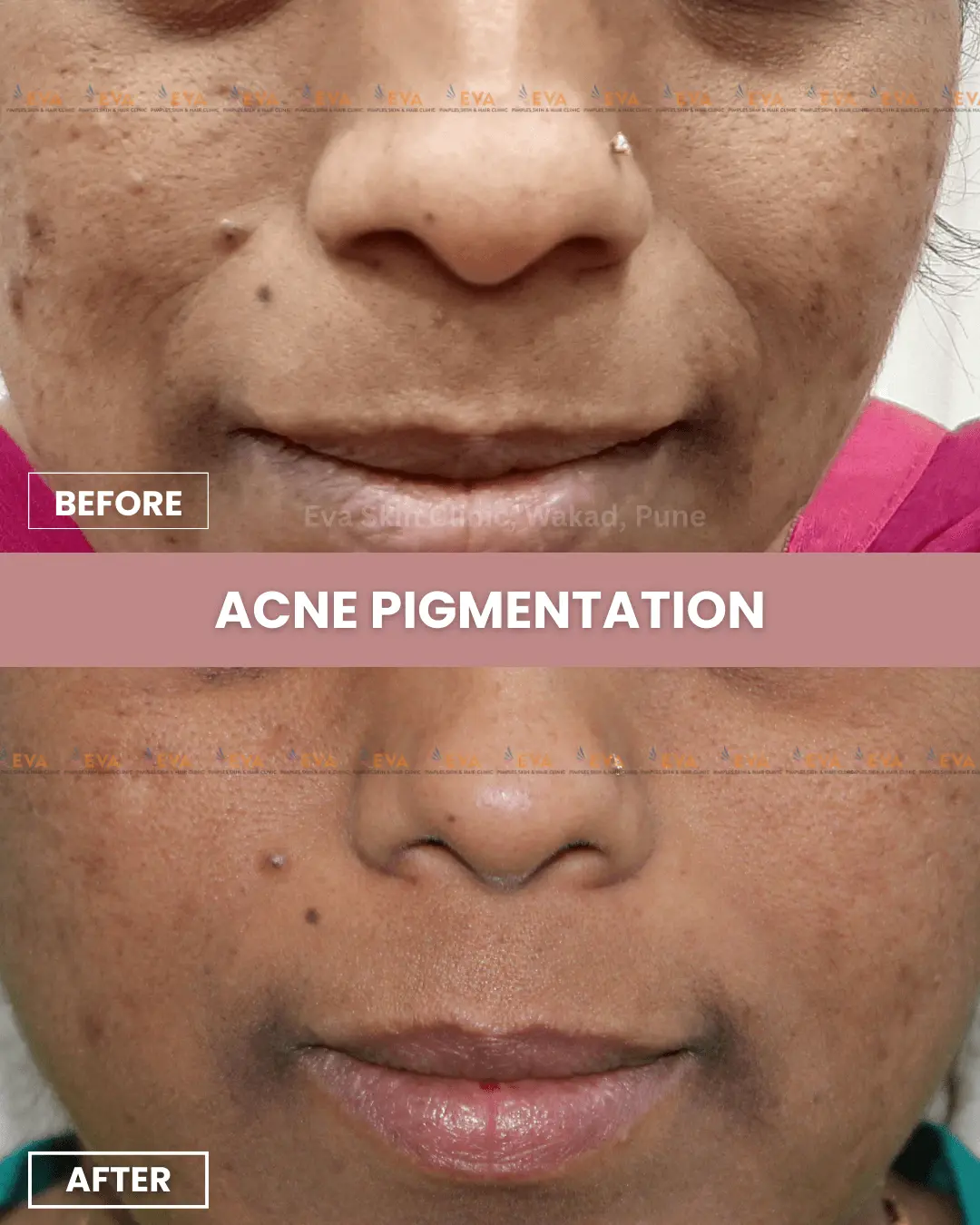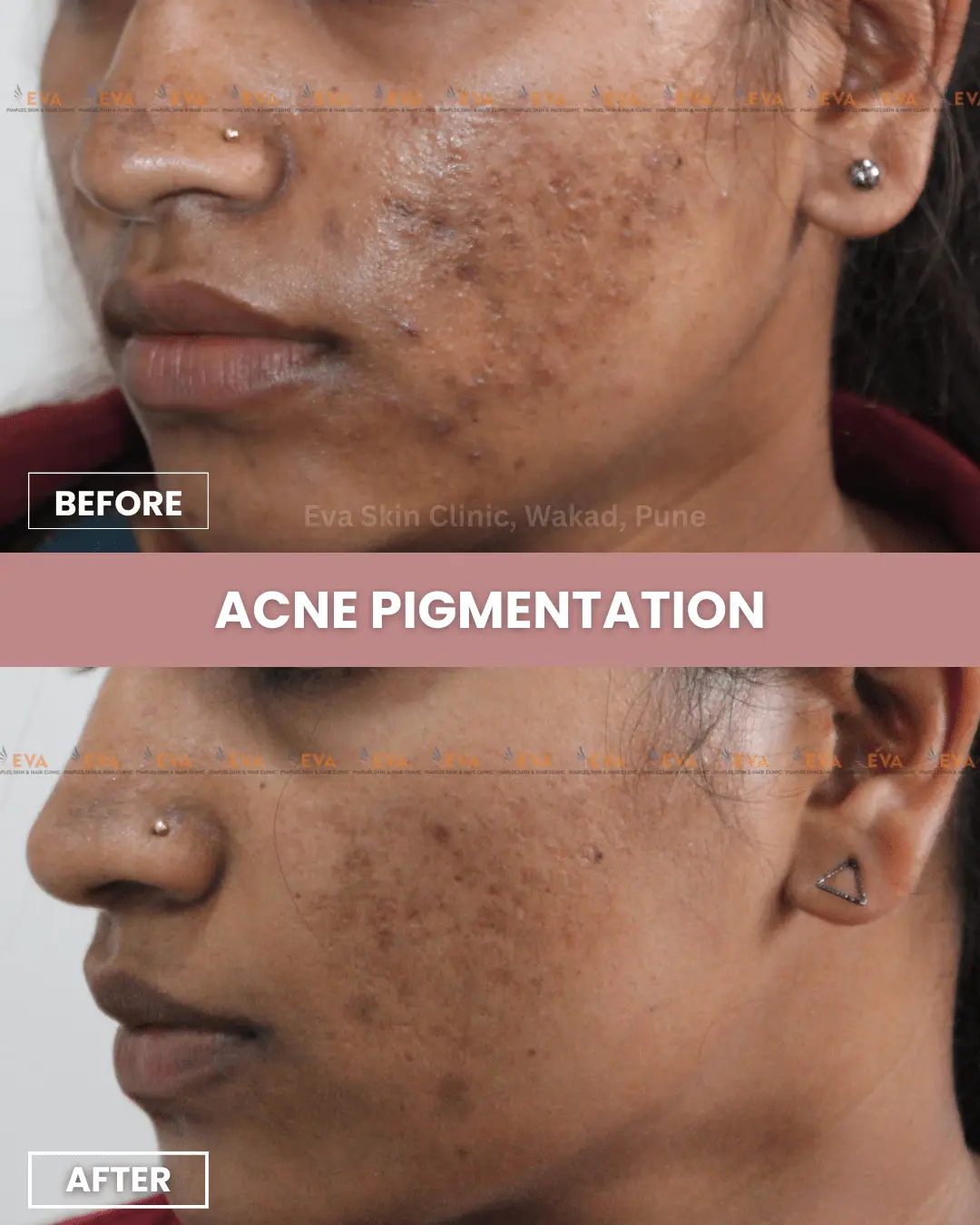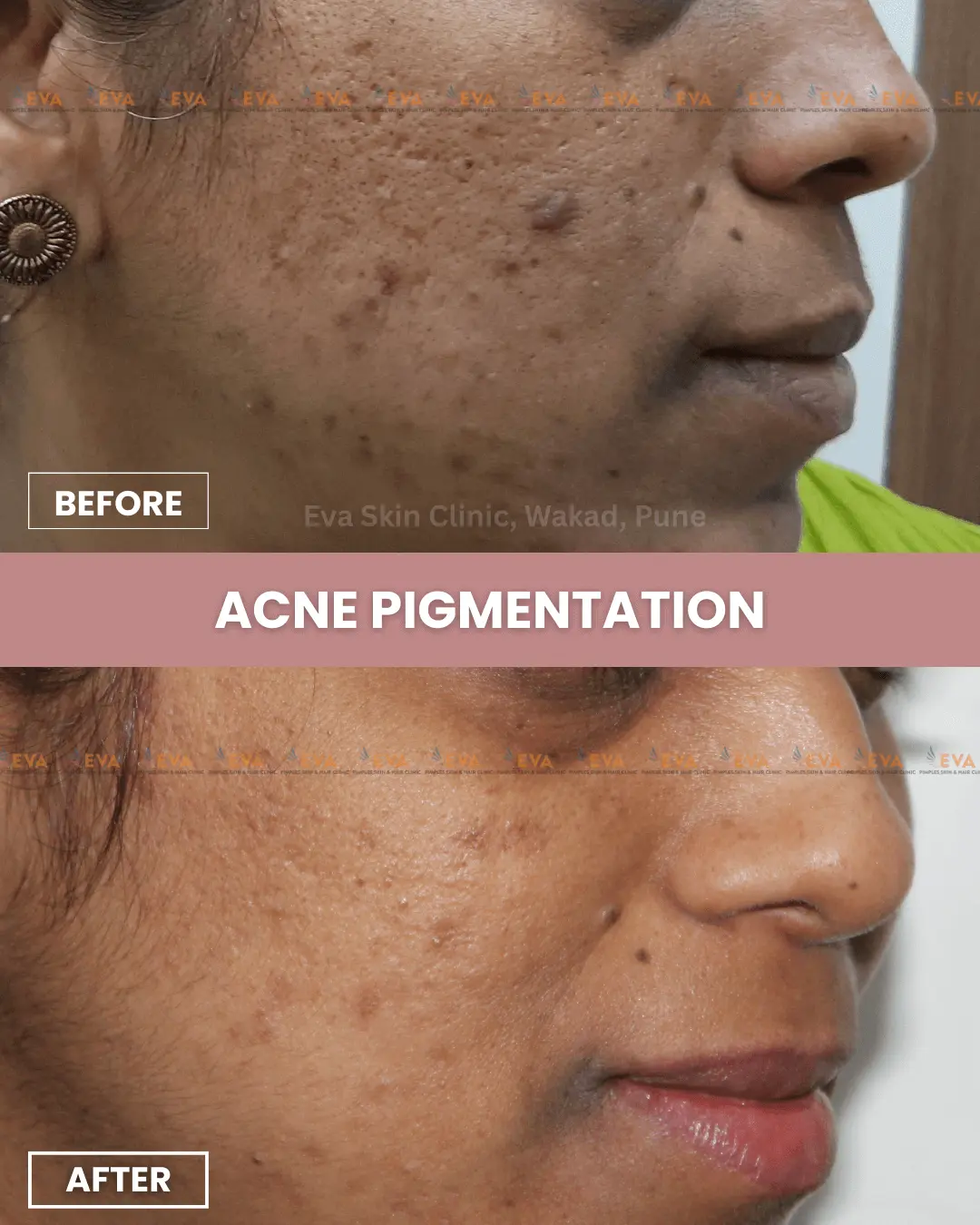


Because Clear Skin Isn’t a Dream — It’s a Dermatological Reality at Eva.
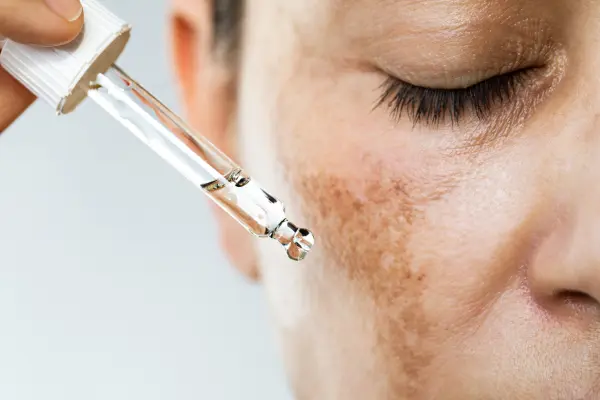
Skin pigmentation is the natural coloring of your skin, governed by a pigment called melanin, which is produced by cells known as melanocytes. Melanin plays a vital role in protecting your skin from UV damage and gives each person their unique skin tone. However, when melanin is produced in excess or unevenly, it can lead to noticeable discoloration, patches, or dark spots—a condition broadly referred to as hyperpigmentation.
While pigmentation is not usually harmful, it can significantly impact one’s self-esteem and appearance, especially when it becomes persistent or spreads over large areas of the face or body.
Understanding the cause and type of pigmentation is the first step toward effective, targeted treatment—something our dermatology experts at Eva Pimples, Skin & Hair Clinic in Pune specialize in.
Skin pigmentation disorders occur when there is an imbalance in melanin production—either too much (hyperpigmentation) or too little (hypopigmentation). Several internal and external triggers can disrupt this natural process, leading to uneven skin tone, dark patches, or discoloration. Here are the most common causes:
Ultraviolet (UV) radiation is one of the leading causes of pigmentation. Prolonged or unprotected exposure to the sun stimulates melanocytes to produce excess melanin, resulting in sunspots, freckles, and tanning.
Conditions like melasma are strongly linked to hormonal fluctuations. This is commonly seen in women during pregnancy (also called the “mask of pregnancy”), while taking birth control pills, or during hormonal therapies.
After skin trauma—such as acne, cuts, burns, or eczema—the skin may respond with increased melanin production, leaving behind dark patches or marks long after the initial injury has healed.
Some individuals are more prone to pigmentation due to hereditary factors. This includes conditions like freckles or certain congenital pigmentation patterns.
As skin matures, the regeneration rate slows down, and past sun damage or hormonal imbalances may manifest more prominently in the form of age spots and pigmentation patches.

Melasma presents as symmetrical brown or grey-brown patches, most often on the cheeks, forehead, nose, and upper lip. It’s closely linked to hormonal changes, such as pregnancy or oral contraceptive use, and is often worsened by sun exposure.

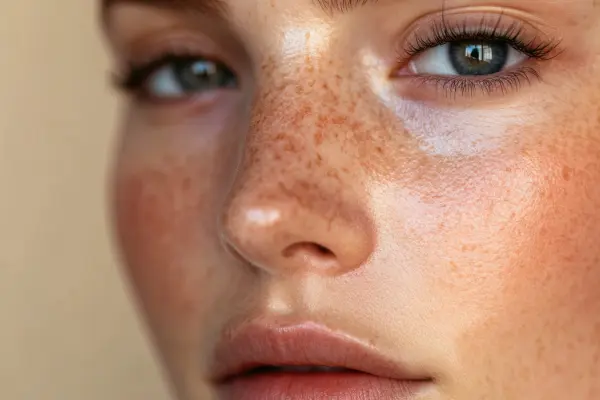
Freckles are small, light-brown spots that typically appear on sun-exposed areas like the face and shoulders. They are more common in individuals with lighter skin and often become more prominent with UV exposure.
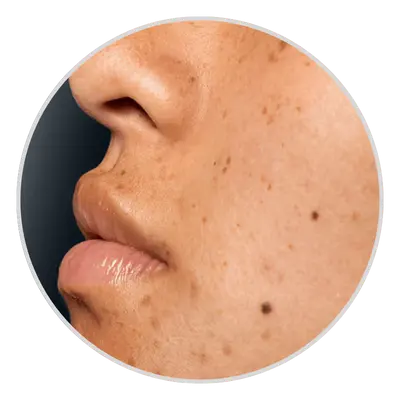
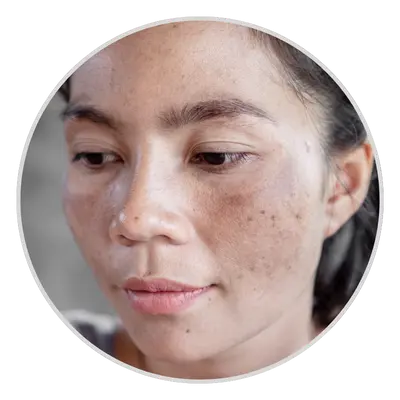
Also known as age spots or liver spots, sunspots are flat, brown spots that appear due to prolonged cumulative sun exposure, especially as the skin ages.
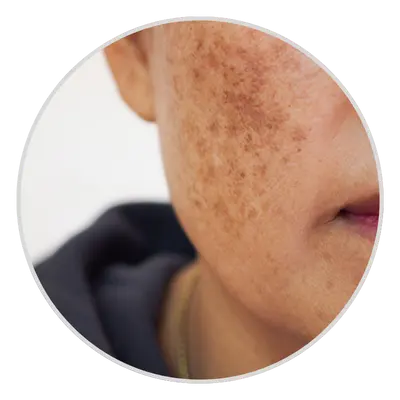
PIH occurs as a result of skin trauma—such as acne, burns, cuts, or inflammatory conditions like eczema. It leads to dark patches or marks after the wound has healed and is especially common in people with medium to darker skin tones.
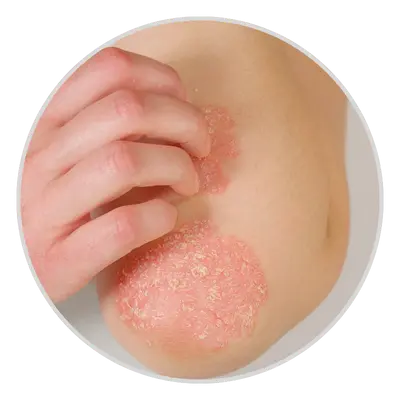
Certain conditions like lichen planus, psoriasis, or eczema can leave behind pigmentation as they heal. These are often more stubborn and may require long-term treatment and maintenance.
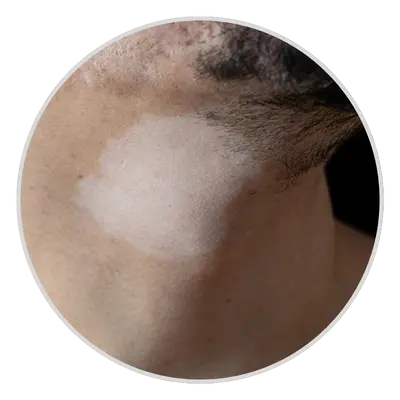
While most pigmentation issues involve excess melanin, some conditions, such as vitiligo or post-inflammatory hypopigmentation, result in a loss of pigment, causing white or pale patches on the skin.

Treating skin pigmentation effectively starts with understanding its root cause, depth, and the type of discoloration. While many individuals resort to home remedies or over-the-counter creams, pigmentation issues often require a personalized and clinical approach to achieve lasting results without complications.
The first and most crucial step in treating pigmentation is getting the condition professionally assessed by a qualified dermatologist. Not all dark spots or patches are the same—melasma, sunspots, and post-inflammatory pigmentation may appear similar but require very different approaches.
Your dermatologist will help you modify your skincare routine, suggest protective measures, and possibly adjust medications or lifestyle habits to prevent worsening.
Before any advanced treatment can be considered, restoring the skin’s natural barrier is critical. Over-exfoliation, harsh chemicals, or aggressive DIY treatments can worsen pigmentation. A dermatologist can guide you in building a gentle yet effective skincare regimen that includes moisturizers, barrier-repair creams, and non-irritating cleansers to prepare the skin for further correction.
Regardless of the type of pigmentation, sun protection is the cornerstone of any effective plan. Exposure to UVA and UVB rays not only darkens existing pigmentation but also triggers the formation of new spots. Broad-spectrum sunscreen, physical protection like hats and scarves, and avoiding peak sun hours are all essential in maintaining results.
Pigmentation doesn’t disappear overnight. It often requires multiple sessions, weeks of skincare compliance, and lifestyle adjustments. Many people see partial improvement and give up too soon.
Not all pigmentation issues are the same—and not all of them can be safely treated with home remedies or over-the-counter products. While minor discoloration caused by sun exposure or temporary irritation may fade over time, persistent or worsening pigmentation needs expert evaluation. Consulting a dermatologist ensures timely diagnosis and a targeted treatment plan to prevent complications or permanent skin damage.
If you’ve noticed dark spots, uneven skin tone, or patches that remain unchanged for more than a few weeks or months, it's time to seek medical advice.
Any sudden appearance of dark patches or white spots without a clear cause—like trauma or sun exposure—should be examined.
If your pigmentation is expanding in size or intensity, particularly despite using lightening creams or natural remedies, a dermatologist can assess whether it’s melasma, post-inflammatory hyperpigmentation.
If drugstore creams and cleansers aren’t helping after consistent use, stronger medical-grade treatments may be needed.
When pigmentation starts to impact how you feel about your appearance, it’s not “just a spot.” Dermatologists understand both the science and emotional toll, offering safe, effective, and aesthetic-friendly solutions.
If you've layered serums, masks, and home remedies with no visible improvement, it’s time for a clinical diagnosis. Many pigmentation types like melasma or dermal PIH require targeted, in-clinic treatments and medical-grade skincare.
Experience the best skin pigmentation treatment at Eva Pimples, Skin and Hair Clinic! Reclaim clear, radiant skin today. Call now to book your appointment and say goodbye to acne.
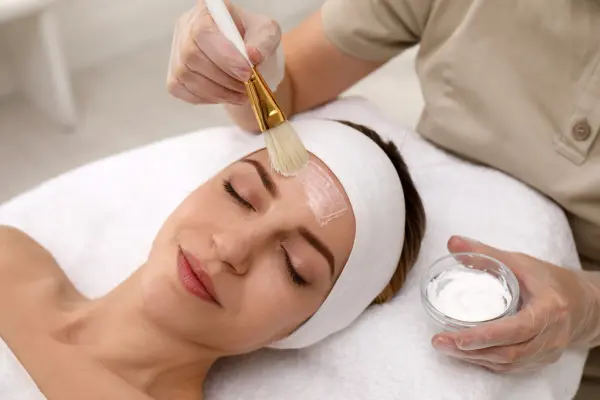
Customized chemical solutions (like glycolic, salicylic, TCA, or yellow peels) gently exfoliate the pigmented skin layer, accelerate cell turnover, and reduce melanin buildup. Especially effective for melasma, tanning, and post-acne pigmentation.
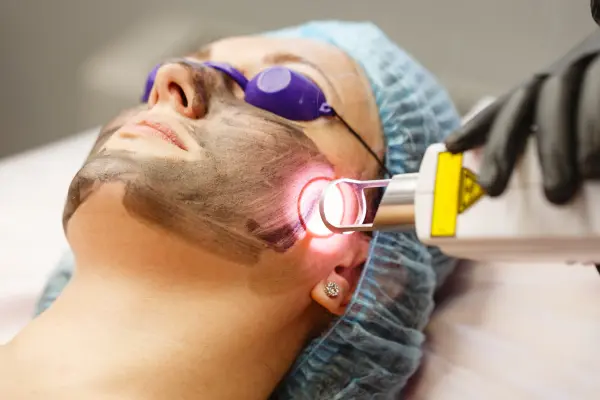
A gold standard for pigmentation, the Q-switched ND:YAG laser targets and breaks down deep melanin deposits without harming the surrounding skin. Perfect for freckles, age spots, and dermal pigmentation.
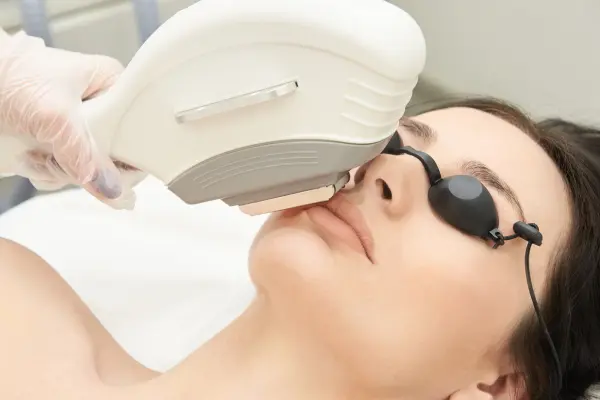
IPL delivers controlled pulses of light to fragment pigment clusters, reduce redness, and improve overall skin tone. Ideal for vascular pigmentation and photo-damaged skin.
Eva’s signature medifacials include brightening serums, enzymatic exfoliation, and antioxidants that rejuvenate dull skin and visibly reduce pigmentation in early stages.
Depending on the pigmentation type, we offer custom-blended creams containing kojic acid, arbutin, retinoids, or hydroquinone alternatives — all under expert supervision to prevent skin sensitivity.
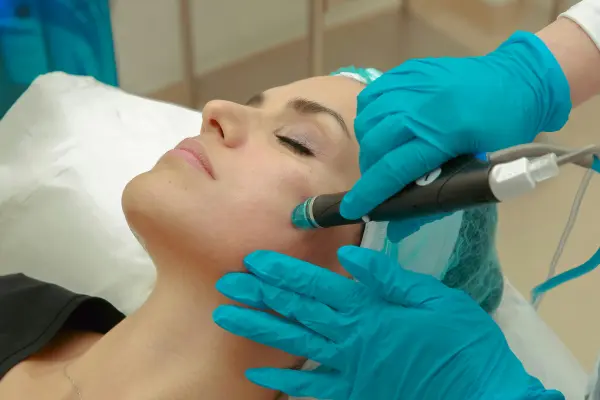
Controlled micro-injuries stimulate collagen, while depigmenting serums penetrate deeper — working well for stubborn pigmentation and uneven texture.


Posted on Komal GavhaneTrustindex verifies that the original source of the review is Google. I visited the doctor for a scar, and the treatment was excellent. The doctor was very professional, and I’m extremely satisfied with the results. My scar is gone now.Posted on Aditi KondhareTrustindex verifies that the original source of the review is Google. Best one!Posted on Shraddha BirlaTrustindex verifies that the original source of the review is Google. I visited Dr. Shalthiel sathe sir@ Eva skin and hair clinic for long-standing acne issues and the results have been amazing. The doctor explained everything clearly and suggested a personalized treatment plan. The medicines worked well without any side effects. The clinic atmosphere is clean and welcoming. I would confidently recommend Eva skin & Hair clinic to anyone struggling with pimples.Posted on Pratik ChedeTrustindex verifies that the original source of the review is Google. Had a wonderful experience at the clinic. The doctor explained all my concerns clearly and suggested the necessary treatment. The treatment is going well so far. I would definitely recommend this clinic.Posted on Rachna RTrustindex verifies that the original source of the review is Google. Positive Experience.Load more