

HIFU Treatment for Skin Tightening: A Pre-Festive Lift
Home | Blogs | PRP for Female Pattern Hair Loss | PRP Hair Treatment | Eva Pimples Skin & Hair Clinic

Table of Contents
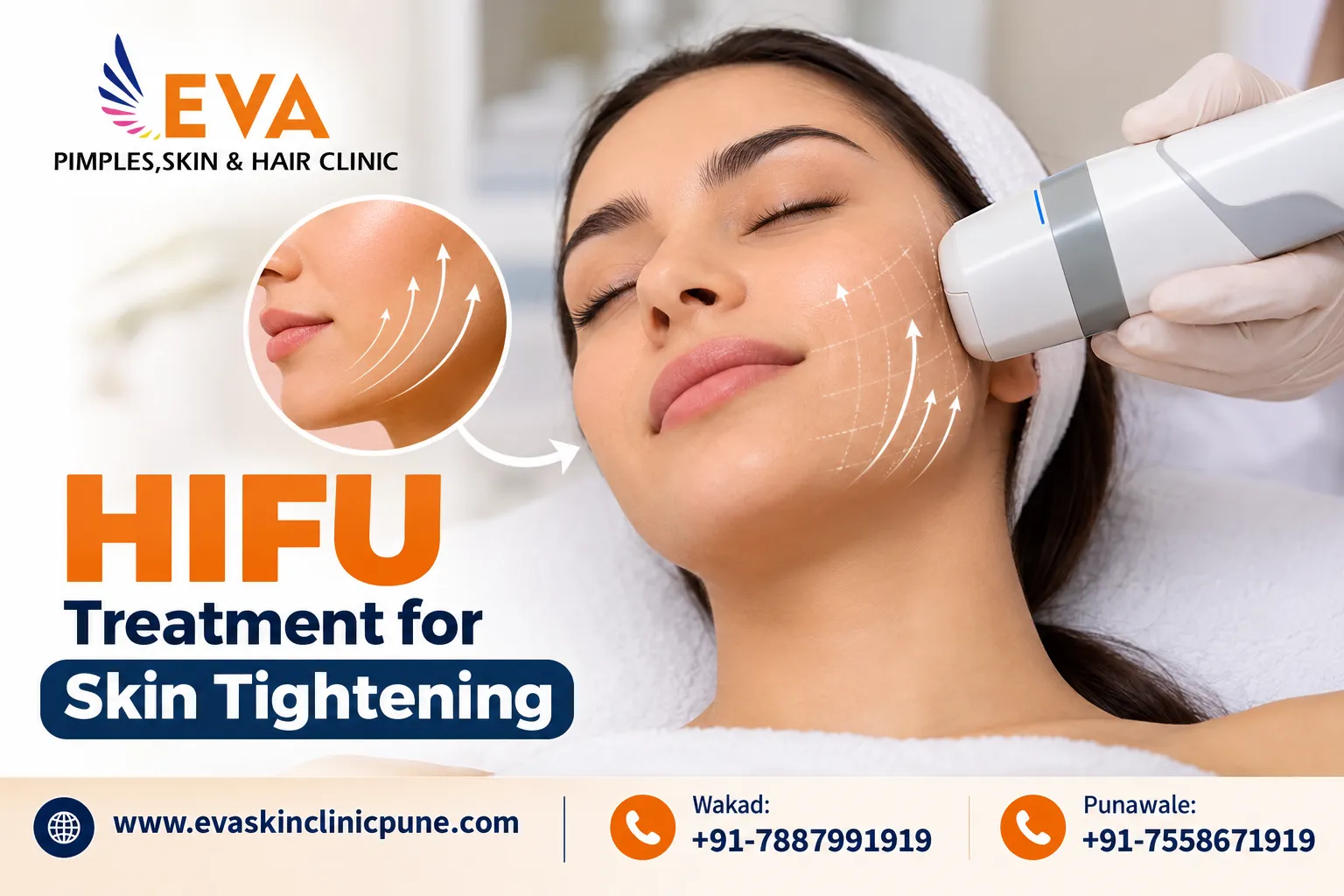
As the festive season approaches, many people pay closer attention to their skincare routines and facial appearance. Loose skin around the jawline, cheeks, or neck may become a concern, especially when preparing for family gatherings and photographs. HIFU Treatment for Skin Tightening is a non-surgical procedure that uses focused ultrasound energy to target selected tissue layers and may help improve mild skin laxity in suitable individuals. Understanding how it works, when results may appear, and what risks to consider can help you make an informed decision before scheduling a treatment.
What Is HIFU Treatment for Skin Tightening?
HIFU stands for high-intensity focused ultrasound. It uses focused ultrasound energy to create controlled thermal points at selected depths beneath the skin. This process is intended to stimulate a tissue response, including collagen remodelling.
Collagen is a protein that contributes to the skin’s structure and support. As people age, changes in collagen and elastin can contribute to reduced firmness and visible skin laxity.
HIFU Treatment may help improve the appearance of mild skin laxity in selected patients, but results vary depending on individual skin condition, the treatment area, the device and the clinician’s assessment.
For people researching local options, the HIFU Treatment in Pune service page can provide a starting point for understanding the treatment offered. A professional consultation is necessary to determine individual suitability.
Why Consider HIFU Before the Festive Season?
Festivals, weddings, and family celebrations often encourage people to review their skincare and aesthetic treatment options. Some adults prefer non-surgical procedures because they do not involve incisions or the recovery associated with surgery.
HIFU may be considered for selected concerns involving mild facial or neck laxity. However, it is important to understand that the procedure does not provide an instant facelift, and no particular result or timeline can be guaranteed.
Plan for gradual results
Results do not generally appear immediately. Some individuals may notice early changes, while further improvement may develop over several weeks or months.
If you have an upcoming event, discuss the timing with your treating clinician. Temporary redness, tenderness or swelling may occur, and treatment should not be scheduled on the assumption that visible improvement will happen by a specific date.
Set realistic expectations
HIFU is not equivalent to a surgical facelift. It may provide a modest improvement for selected individuals with mild skin laxity, but it may be less appropriate for substantial sagging or excess skin.
A consultation can help clarify whether HIFU, another approach or no treatment is appropriate for your concerns.
Which Areas May Benefit from HIFU?
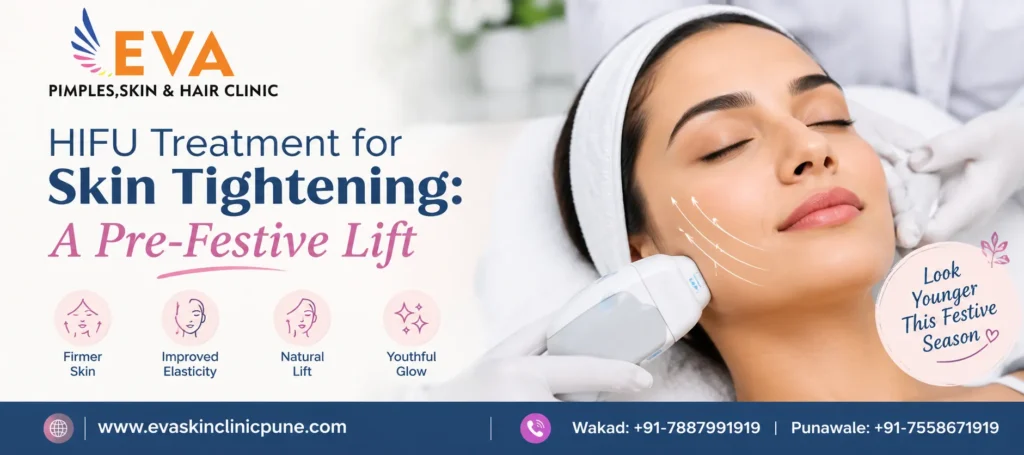
Depending on the device and its approved or intended use, HIFU may be considered for selected areas such as:
- Jawline: To address mild skin laxity around the lower face.
- Cheeks: To improve the appearance of selected areas of facial laxity.
- Under-chin area: To address certain concerns involving skin looseness.
- Neck: To target selected signs of skin laxity.
Not every device is suitable for every area. Treatment near the eyes or other delicate regions requires particular caution and must follow the device instructions and a qualified practitioner’s assessment.
Who May Be Suitable for HIFU Treatment?
HIFU may be considered for adults with mild skin laxity who prefer a non-surgical option and understand its limitations.
Suitability depends on several factors, including skin condition, treatment area, medical history, and personal expectations. People with significant excess skin may need to discuss other options with a medical professional.
Before treatment, disclose any active skin infection, skin condition, implanted electronic device, metal implant near the treatment area, pregnancy or other relevant medical concern. The practitioner should review the specific device instructions and determine whether treatment is appropriate.
A proper consultation should explain the expected benefits, possible complications and alternatives before you make a decision.
What Happens During a HIFU Session?
Although the procedure varies by device, a typical appointment may include the following steps.
- Consultation: The clinician discusses your concerns, medical history, and treatment expectations.
- Assessment: The skin and proposed treatment area are examined to determine suitability.
- Preparation: The skin is cleaned, and ultrasound gel may be applied according to the device instructions.
- Treatment: The handpiece delivers focused ultrasound energy to selected areas. You may experience warmth, tingling, or discomfort.
- Aftercare guidance: The clinician explains expected side effects, skincare precautions, and when to seek medical advice.
Ask which device will be used, who will perform the procedure, and what follow-up care is available.
HIFU Aftercare | What Should You Keep in Mind?
Aftercare instructions depend on the device, treatment area and your skin’s response. Your treating clinician should provide advice specific to your procedure.
General points to discuss include:
- Use a gentle cleanser and suitable moisturiser if recommended.
- Apply broad-spectrum sunscreen and limit unnecessary sun exposure.
- Ask when to resume retinoids, exfoliating acids and other potentially irritating skincare products.
- Confirm when you can resume facials, intense exercise or other aesthetic procedures.
- Contact your clinician if side effects persist, worsen or concern you.
Avoid combining treatments or applying heat to the treated area without appropriate guidance.
HIFU vs Other Skin Rejuvenation Treatments
Different treatments address different skin concerns. Choosing an option should begin with identifying the concern rather than selecting a procedure based on popularity.
|
Treatment |
Main focus |
|
HIFU |
Focused ultrasound targeting selected deeper tissue layers |
|
HydraFacial |
Cleansing, exfoliation and hydration |
|
Chemical peels |
Improving selected surface-level concerns, depending on the peel |
|
RF microneedling |
Using radiofrequency energy delivered through microneedles for selected skin concerns |
For a different approach focused on cleansing and hydration, read about HydraFacial treatment in Pune. It is not a direct substitute for HIFU because the treatments have different purposes.
How to Choose a HIFU Provider in Pune
When researching HIFU Treatment in Pune, consider the quality of the consultation as carefully as the procedure itself.
Ask these questions before deciding:
- Is the practitioner appropriately qualified and trained?
- Which device will be used, and is it suitable for my treatment area?
- What level of improvement is realistic for my skin?
- What side effects and complications should I understand?
- Are there alternative treatments, including non-treatment?
- What follow-up support is available?
Avoid providers who guarantee results, pressure you to book immediately or dismiss your safety concerns.
For general skin-health guidance, you can also read what a skin specialist in Wakad can assess.
Conclusion
HIFU Treatment for Skin Tightening may be an option for selected adults who want to address mild skin laxity without surgery. However, results are gradual and variable, and the procedure cannot guarantee a particular festive-season appearance.
If you are considering HIFU Treatment in Pune, prioritise a proper consultation, realistic expectations, and a clear understanding of potential risks. A treatment plan should be based on your skin and medical needs rather than an upcoming event alone.
FAQ
Results vary between individuals. Some people notice early changes, while further improvement may develop over several weeks or months. Results are not guaranteed.
No. HIFU may provide modest improvement in selected cases of mild skin laxity, but it does not produce the same degree of lifting as surgery.
Not necessarily. Suitability depends on the individual’s skin condition, medical history, treatment area and device. A qualified professional should assess these factors before recommending treatment.
Avoid scheduling it at the last minute. Results may take time to develop, and temporary side effects can occur. Discuss appropriate timing with your treating clinician.
Sensation varies. Some people experience warmth, tingling or discomfort during treatment. Ask the practitioner about suitable comfort measures.
There is no universal schedule. The number of sessions depends on the device, treatment area, clinical assessment and individual response.
Yes. Temporary redness, swelling and tenderness may occur. Less common complications can include burns, changes in sensation and nerve-related symptoms. Discuss these risks before treatment.
Sometimes, but the appropriate combination and timing depend on the treatments involved and your medical assessment. Seek professional guidance before combining procedures.
No. Preventive treatment is not necessary for everyone. Discuss your concerns, the evidence for potential benefits and non-procedural alternatives with a qualified professional.